Because y because of son dos palabras que nos sirven para introducir frases que expliquen las razones por las cuales ocurrió cierta situación, pero sus significados y usos son bastante distintos. Así pues, en este post vamos a ver la diferencia entre because y because of en inglés. Cuándo usamos because en inglés.
Hay ciertos aspectos a tener en cuenta a la. My early arrival was due to smooth traffic flow. (kedatangan saya lebih awal disebabkan oleh arus lalu lintas yang lancar) because of:
I arrived early because of smooth traffic flow. (saya tiba lebih awal karena arus lalu lintas yang lancar) due to: The car accident was due to tyre burst.
Technically speaking, “due to” should only be used as an adjective and come after a noun. For instance, you could say: The cancellation was due to.
Because dan because of memiliki arti yang sama dalam bahasa indonesia, yakni “karena”. Itulah mengapa masih banyak english learners yang menggunakan keduanya sebagai sinonim dari satu sama lainnya. Sebenarnya, meskipun memiliki arti yang sama, because dan because of tidak boleh digunakan untuk menggantikan satu sama lainnya.
Itu karena aturan penggunaan. The crash occurred because of his reckless behavior. The match was postponed because of the weather.
They went abroad because of the ethnic riots. The road is blocked because of the heavy snowfall. In the above sentences, because of modifies the verb.
Because of can be replaced by synonyms such as owing to and as a result of. ‘because of’ gives out the meaning ‘ on account of ‘or ‘ by reason of ‘. “we were late because of the rain. ”.
“i tolerated him because of you. ”. “because of” formula :. Because is an english word that is used to give a reason or a cause of an event or a situation.
Sometimes we say because of instead of just because while introducing a reason. This is perfectly ok though there are differences in usage and the contexts in which the two are used. This article attempts to highlight these subtle differences.
Because bermakna for the reason that. Because bisa digunakan kalo kalian mau menyatakan alasan dalam bentuk klausa yang setidaknya terdiri dari subjek dan predikat. Because it is a conjunction.
If you need to modify a clause, then you use ' because :'. He was always alone because he was too shy. It is dangerous to drive when it's raining because the ground is slippery.
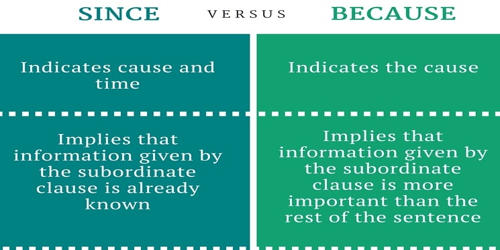
If you need to modify a noun, noun phrase, or pronoun, then you use ' because of :'. She couldn't attend the gala because of her sickness. As, because or since ?
Perbedaan because dan because of bukanlah terletak dari artinya, tapi dari kegunaan. Nah, because adalah conjunction words yang berfungsi menghubungkan satu klausa dengan klausa lainnya. Synonym for due to the difference is subtle but important.
Due to is a predicate adjective + preposition that means “the result of” or “resulting from. ” it is always used after a form of the verb to be. Her headache was due to the enormous elephant peculiarly perched on her head. Because of is a preposition used to introduce an adverbial phrase and means “as a result of. ”.
Aprende fácilmente a identificar cuándo debes utilizar because y because of, con algunos ejemplos donde hablaremos de algunas diferencias y formas de uso. Uso de because en ingles,uso de because and so,uso de because,uso de because y because of,uso de. Because es una conjunción que se puede traducir como porque, y because of es una frase que se puede traducir como a causa de.
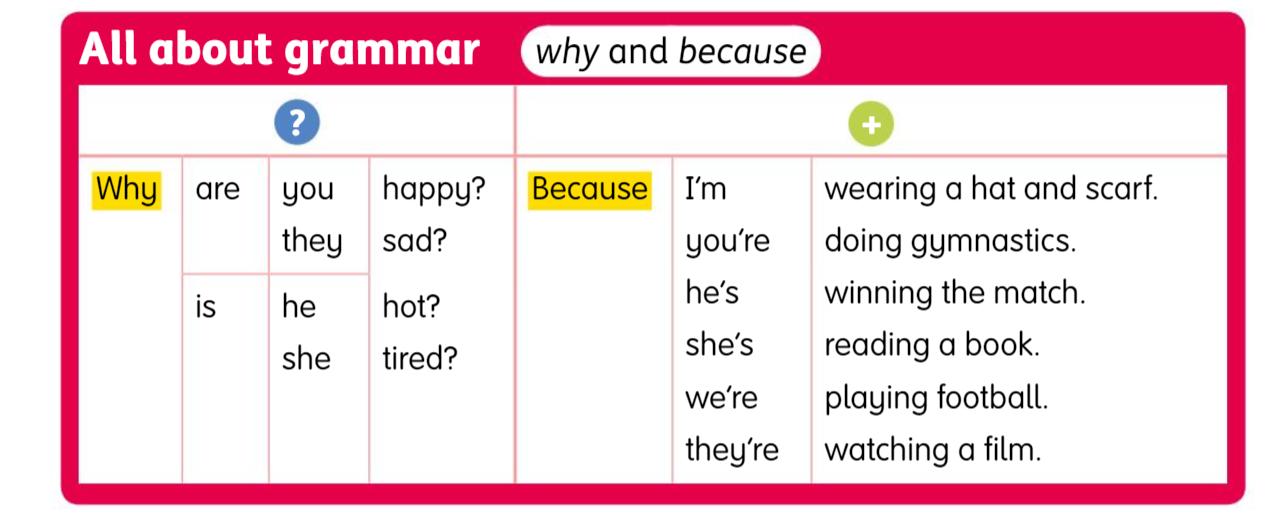
Aprende más sobre la diferencia entre because y because of a continuación. The structure we use is. Because + subject + verb.
He moved to london because his girlfriend lives there. Because of is a preposition. We use the structure.
Because of + pronoun ( you, me, him, etc. ). He moved to london because of his girlfriend. He moved to london because of her.
I was late because of the traffic was bad. Begini perbedaan because vs because of dan contoh kalimat. Kedua kata tersebut digunakan untuk memberikan alasan.
Because adalah kata depan, sedangkan because of adalah kata penghubung. Because diikuti oleh kata kerja dan subjek sedangkan because of diikuti oleh kata kerja ing dan kata benda. Because digunakan sebagai pengganti sejak dan sebagai.
Is there a difference between due to and because of? How can you tell which one to use? Figure out how to structure your reasons with example sentences that use both due to.